|
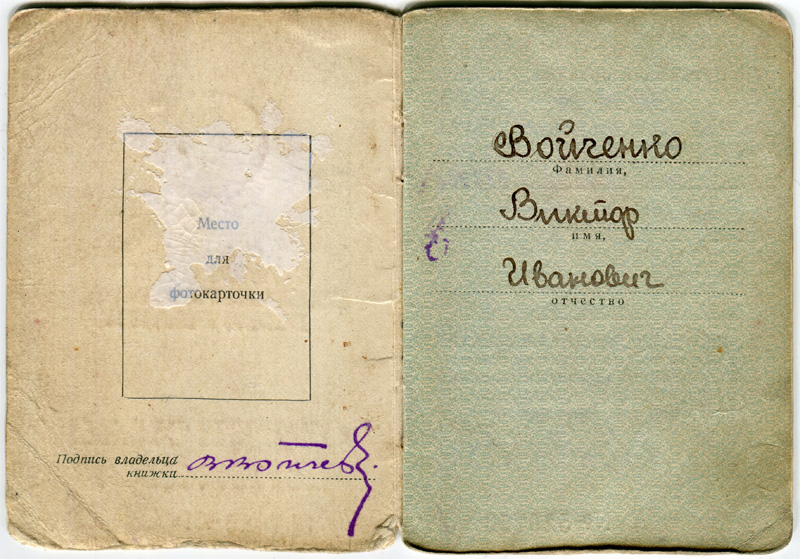
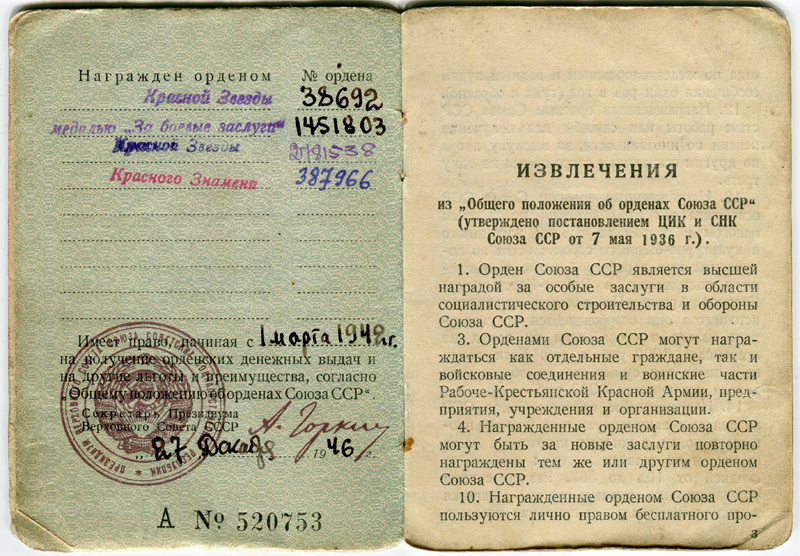
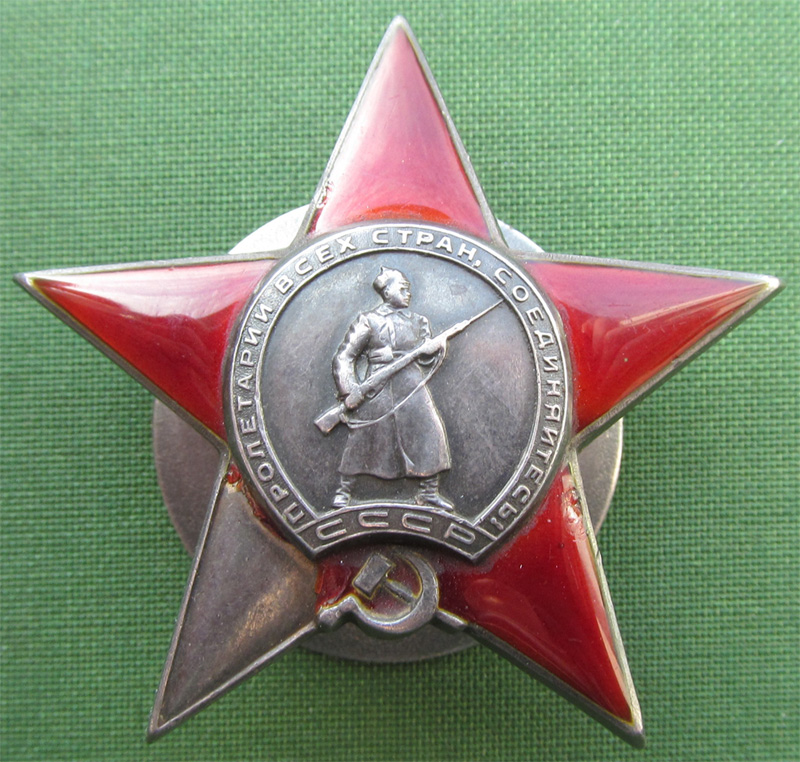
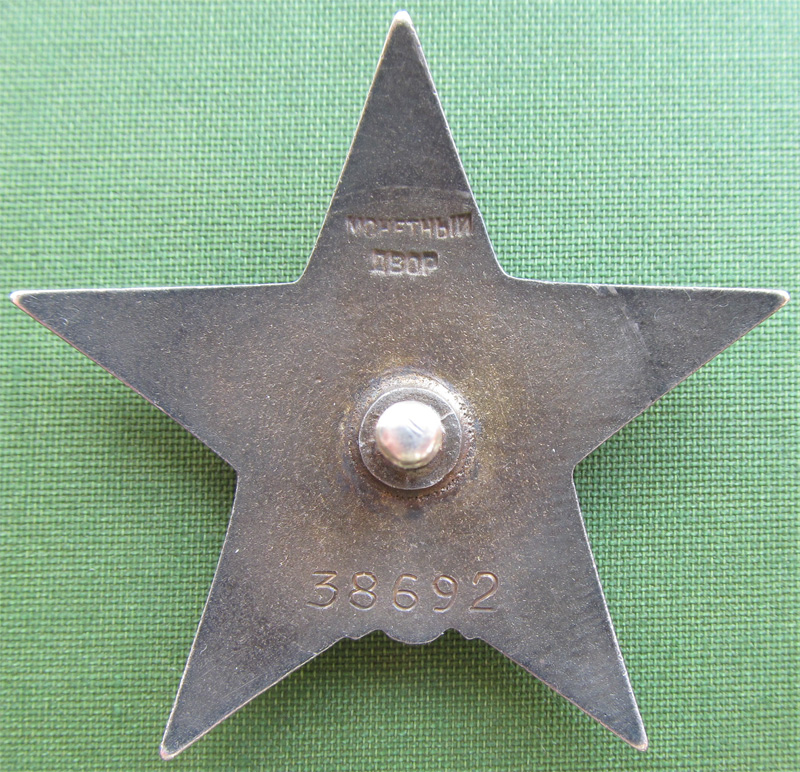
Viktor Ivanovich Voichenko Order of the Red Star nr. 38692 was awarded by Order of the Southwestern Front of February 22, 1942 to 31-year-old Captain Viktor Ivanovich Voichenko, commander of the 3rd Company, 79th Independent Railroad Track Construction Battalion, 5th Railroad Brigade, Southwestern Front. 
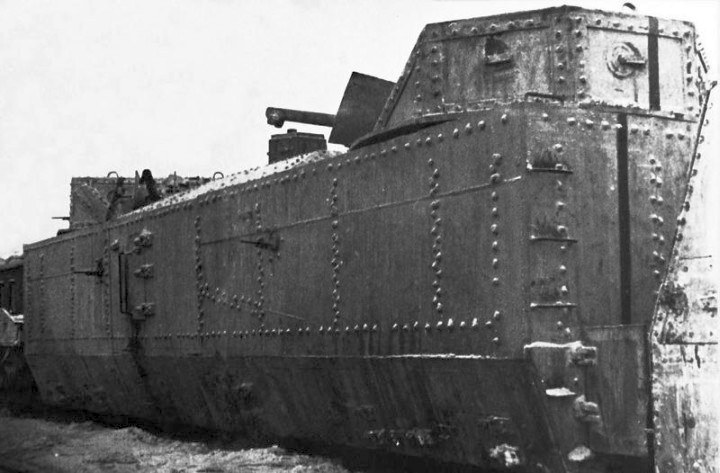
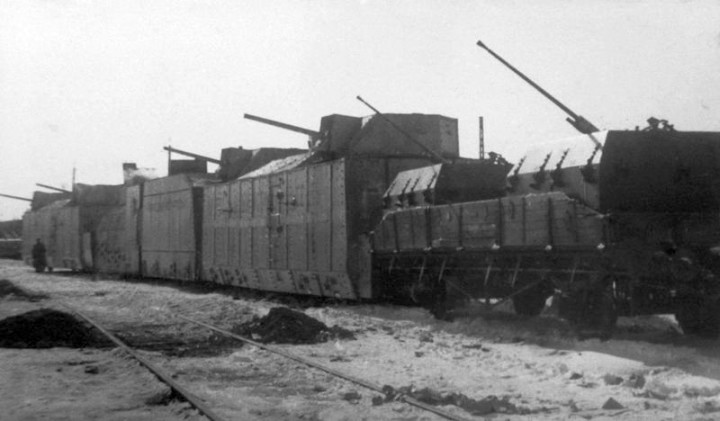
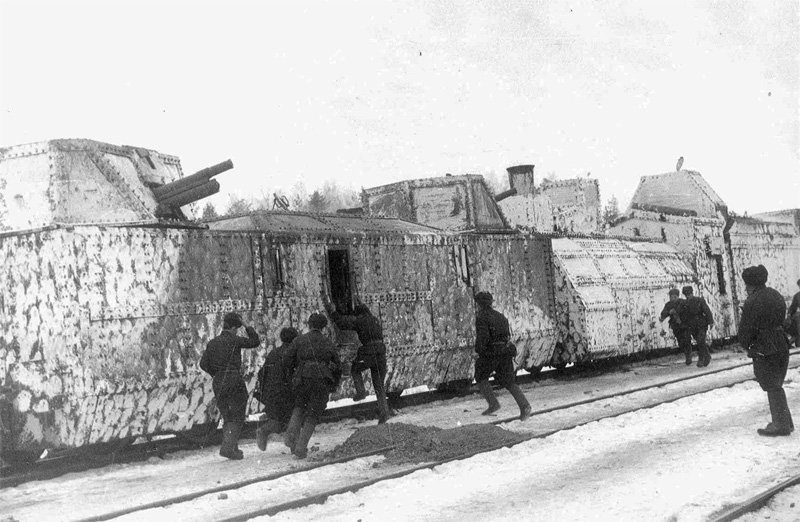
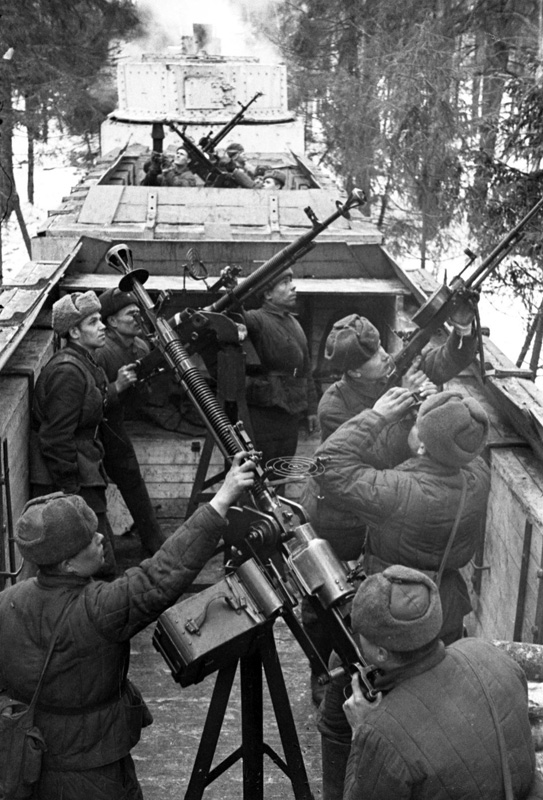
Viktor Ivanovich Voichenko was born on January 9, 1911 in Spas-Klepiki, a city about 100 kilometers southeast of Moscow in Ryazan Province, in a working-class family. After high school Voichenko attended a technical school for future railwaymen in Ryazan, graduating in 1932. In 1932 Voichenko joined the Red Army. After finishing a six-month course for railroad track constructors he was assigned as a platoon leader in a railroad track construction regiment. During his service Voichenko got married to a woman named Yevgenia, with whom he had to sons. Promoted to Lieutenant in 1936, Senior Lieutenant in 1939, and Captain in 1940, he was promoted to company commander in the 79th Independent Railroad Track Construction Battalion in August 1940. One of the principal responsibilities of railroad track construction battalions was laying and repairing railroad track to support military train operations, but also blocking and concealing railroad lines. In February 1942, Voichenko was called upon to provide succor to Armored Train nr. 7. Armored Train nr. 7 was built at Kharkov Locomotive Repair Plant. It was an NKPS-42 class train. This class of armored trains was equipped with two gun platforms, each carrying two 76-mm Lender antiaircraft guns and four Maksim machine guns. The flatcars as a rule were also armed with two Maksim machine guns each. The locomotive was protected by 30-mm armor and the gun platforms by 40- to 45-mm armor. Although Armored Train nr. 7 was formally part of a two-train battalion (the 3rd Independent Armored Train Battalion), with several such battalions supporting the Southwestern Front, it generally operated independently. Armored Train nr. 7 was deployed to the front line in October 1941, serving south and southeast of Kharkov in the Kupyansk-Chuguyev area before withdrawing into the Donbas. In December 1941 it moved north, to the 40th Army's area of operations between Kursk and Voronezh, where the train knocked out three German tanks, an armored vehicle, 4 guns, and 3 mortars. On February 4, 1942 Armored Train nr. 7 was hit by several enemy 105-mm shells at Golovinka Station, killing five soldiers and wounding six. Captain Voichenko's company was ordered to repair the track on both ends of the train and underneath it to save the train. For his efforts, Voichenko was awarded the Order of the Red Star, which was to be his only World War Two combat award. Armored Train nr. 7 was sent to Voronezh for repairs. In late April 1942, the repairs finished, it was redesignated as Armored Train nr. 2 and deployed to the Kupyansk area to support the 38th Army. On June 22, 1942 the train was subjected to a massive German air raid, destroying 3 flatbed cars and almost 200 meters of railroad track. The train's crew was able to repair the track and withdraw the train, after which it engaged German tanks who had broken through the Soviet lines. The train knocked out four tanks, but was hit several times and was dispatched to Kupyansk for new repairs. Voichenko was promoted to Major in June 1942. A few weeks later he enrolled in an accelerated course at Kaganovich Military Transport Academy, which had been evacuated from Leningrad to Kostroma, 300 kilometers northeast of Moscow, in late 1941. In September 1942 Voichenko returned to his old battalion to serve as its deputy commander. In July 1943 Voichenko was assigned to the staff of the Central Front to serve as the head of the Technical Reconnaissance and Obstacles Desk in the Railroad Forces Department. In February 1944 he was transferred to the 1st Belorussian Front Railroad Forces staff and assigned as the assistant chief of its Technical Reconnaissance Section. Later that year, the chief of staff of the 1st Belorussian Front Railroad Forces rated Voichenko as a well-trained, exceptionally conscientious, demanding staff officer with strong volitional qualities who deserved further promotion. In June 1945, one month after the end of the war, Voichenko was assigned as acting commander and later deputy commander of a railroad repair battalion. In 1949, now a Lieutenant Colonel, he was assigned to a school for military railroad technicians in Irkutsk. In 1953 Voichenko transferred back to the railroad forces, serving as chief of the Personnel Section of various railroad brigades. He retired from the army in April 1960 and lived in Kharkov. Award citation All fields to be filled out fully
1. Last name, first name, and patronymic: Voichenko, Viktor Ivanovich Nominated for: Order of the Red Star 3. Year of birth: 1910 Brief, concrete description of his feat of arms or achievements: On February 4, 1942 at 4 p.m. on the Cheremisinovo-Golovinka sector (the 76th km) of the Dzerzhinsky Railroad Line, while carrying out a combat mission, the locomotive and a gun platform of Armored Train nr. 7 were knocked out by enemy artillery and the railroad track on both ends [of the train] and underneath the train was damaged, as a result of which the armored train came off the rails and ceased firing on enemy positions. Discovering this, the enemy intensified their fire on the armored train, seeking its total destruction. To save the armored train, it was necessary to rapidly repair the track, a task that was entrusted to the commander of the 3rd company, comrade Captain V.I. Voichenko. Having received his combat mission, comrade Captain Voichenko and his unit approached the armored train by a concealed path, and in spite of the ceaseless enemy mortar and artillery fire, he skillfully organized the repairs of the destroyed track section, inspiring the soldiers and officers of his company with his personal courage and equanimity. Thanks to the skillful actions of comrade Captain Voichenko and the composure and bravery he displayed, the combat mission to save the armored train was accomplished right on schedule in spite of the challenging conditions and Armored Train nr. 7 was moved away from enemy fire. During the Patriotic War comrade Captain Voichenko has repeatedly proved himself a brave and courageous commander. For example, during our units' retreat in July 1941, he - as part of the battalion - took part in the fighting at Gusyatin Station and led his company out of an encirclement. At the end of January 1942 he repaired Golovinka Station, which was situated beyond our units' defensive perimeter; moreover, the work was carried out under periodic enemy mortar fire. For repeatedly exhibiting bravery and initiative in carrying out combat missions, unit command nominates comrade Captain Viktor Ivanovich Voichenko for the Order of the Red Star. Commanding officer of the 79th Independent Railroad Track Construction Battalion Military commissar of the 79th Independent Railroad Track Construction Battalion 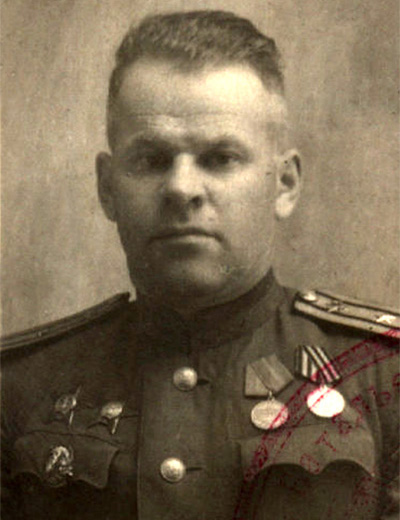
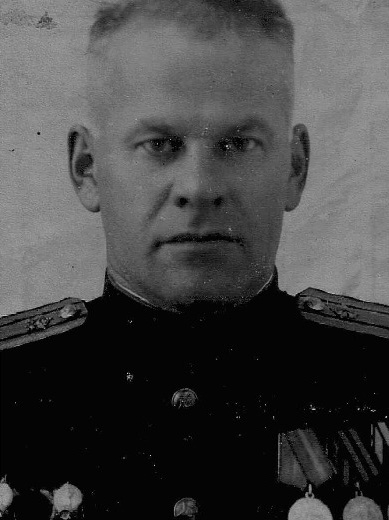
Viktor Ivanovich Voichenko 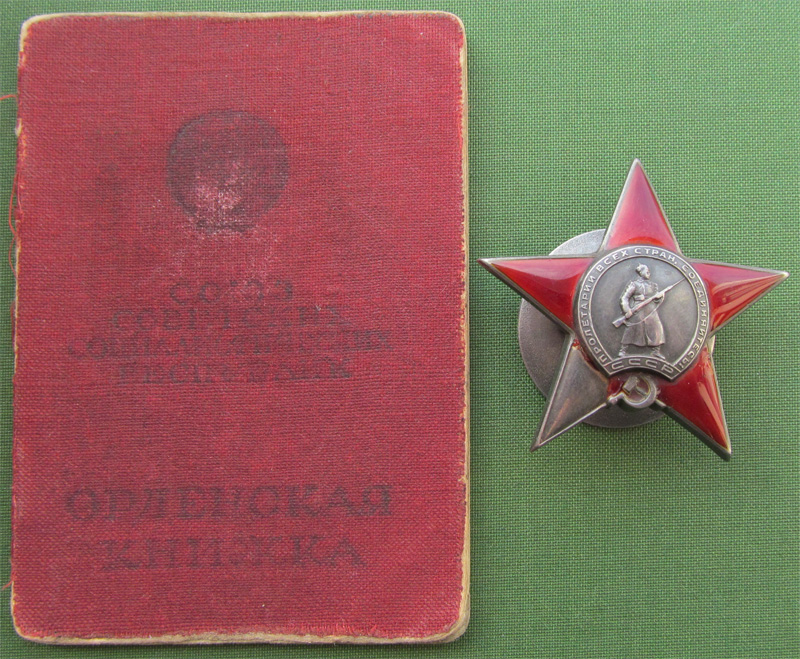
Order of the Red Star nr. 38692 with order booklet Click on the thumbnail to enlarge the image.
| |||||||||||||||||||||||
All rights reserved / alle rechten voorbehouden © Auke de Vlieger 2008-
Home